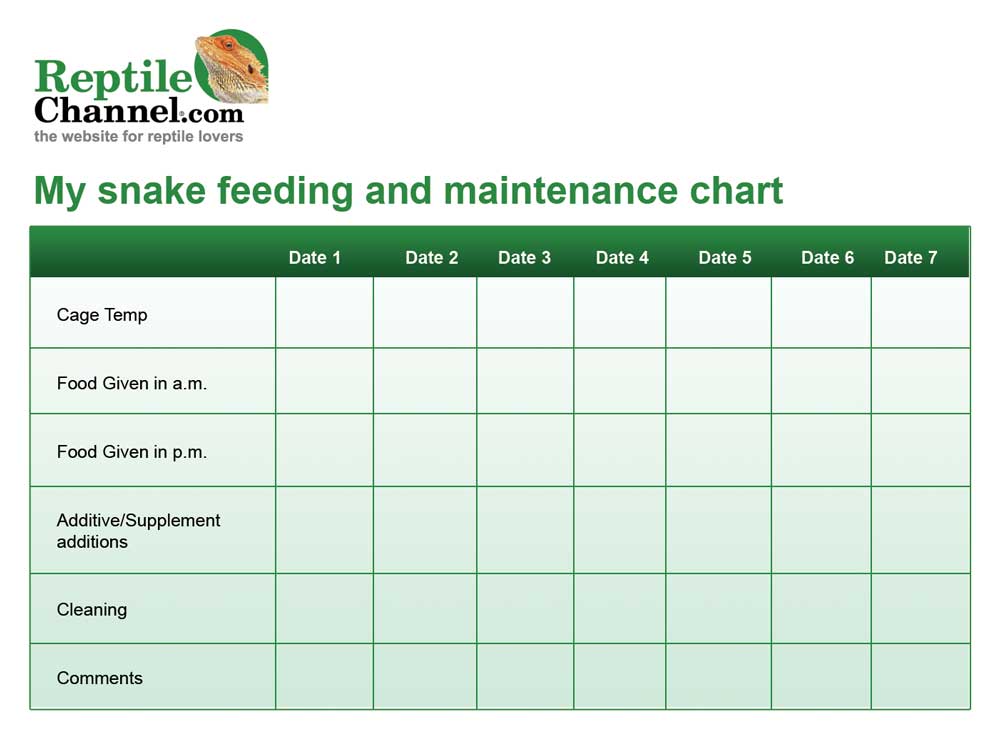
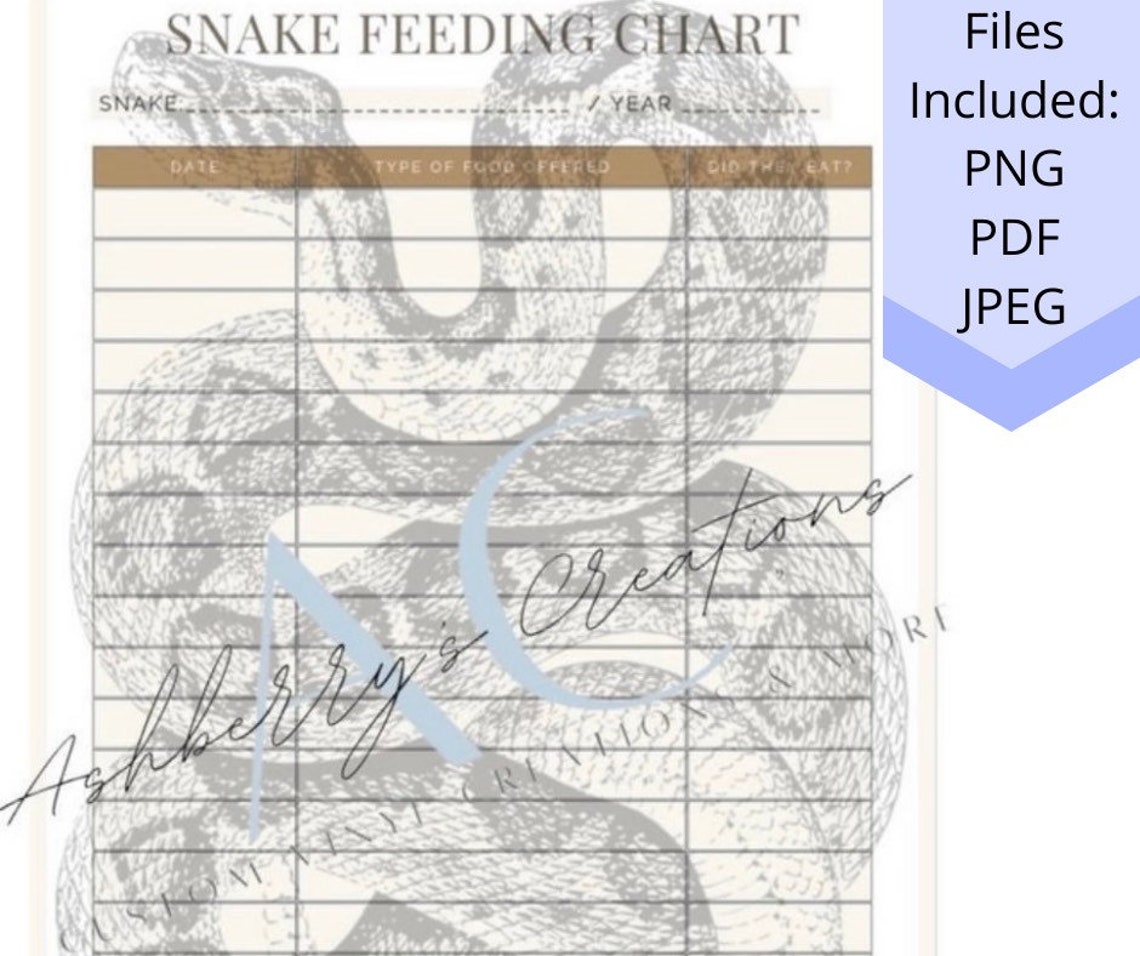
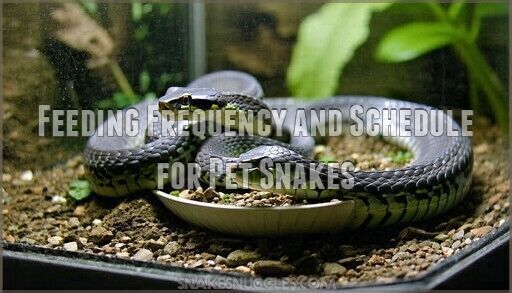
Feed baby andyoungsnakes"pinkie mice" (the smallest size mouse) and increase the size of the food as yoursnakegets bigger. As a general rule, the prey should be approximately the same diameter as thesnake. Feedyoungsnakestwice a week and maturesnakesonce a week. Remove any food yoursnakehasn't gotten to in four hours.
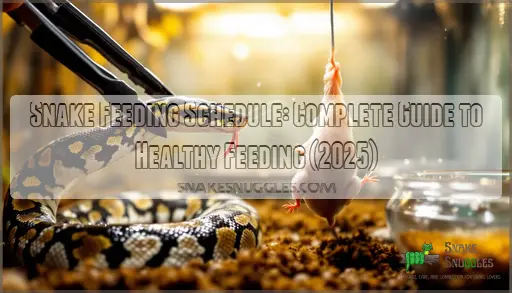
A well-plannedfeedingschedulecan make all the difference in keeping yourpetsnakehappy and healthy. In this article, we'll take a closer look at the importance of tailoring yoursnake'sfeedingscheduleto their age and species, ensuring they receive the optimalnutritionthey need to thrive.
Establish a healthy routine with a properfeedingschedulefor yourpetsnake. Learn the timing and portion control to maintain their well-being.

Learn how to feed yoursnakewith our comprehensive guide, coveringnutrition, dietary needs,feedingschedules,andbest practices for a healthypet.
Mostpetsnakesdo best on appropriately sized frozen-thawed whole prey. Learn safefeedingschedules, prey size, and red flags to discuss with your vet.

Moving forward, it's essential to keep these visual contexts in mind when discussing Young Pet Snake Nutrition And Feeding Schedule.
Learn about the veterinary topic ofNutritioninSnakes. Find specific details on this topic and related topics from the Merck Vet Manual.Snakesfeedalmost exclusively on vertebrate or invertebrate prey. A few species are specialized eggfeeders.
Keep yourpetthriving with our HealthySnakeNutritionGuide. Learn about balanced diets, prey types, and keynutrientsfor optimalsnakehealth.
SnakeFeedingGuidelines: A Comprehensive Guide to ProperNutrition.Feedingyourpetsnakeis a crucial aspect of its care and well-being. Not only do you need to know what tofeedyoursnake, but also when, how, and in what quantities.