Seroprevalences offelineleukemiavirusandfelineimmunodeficiencyvirusinfection in cats in the United States and Canada and risk factors for seropositivity. J AmVetMed Assoc 2017; 251: 187–194.
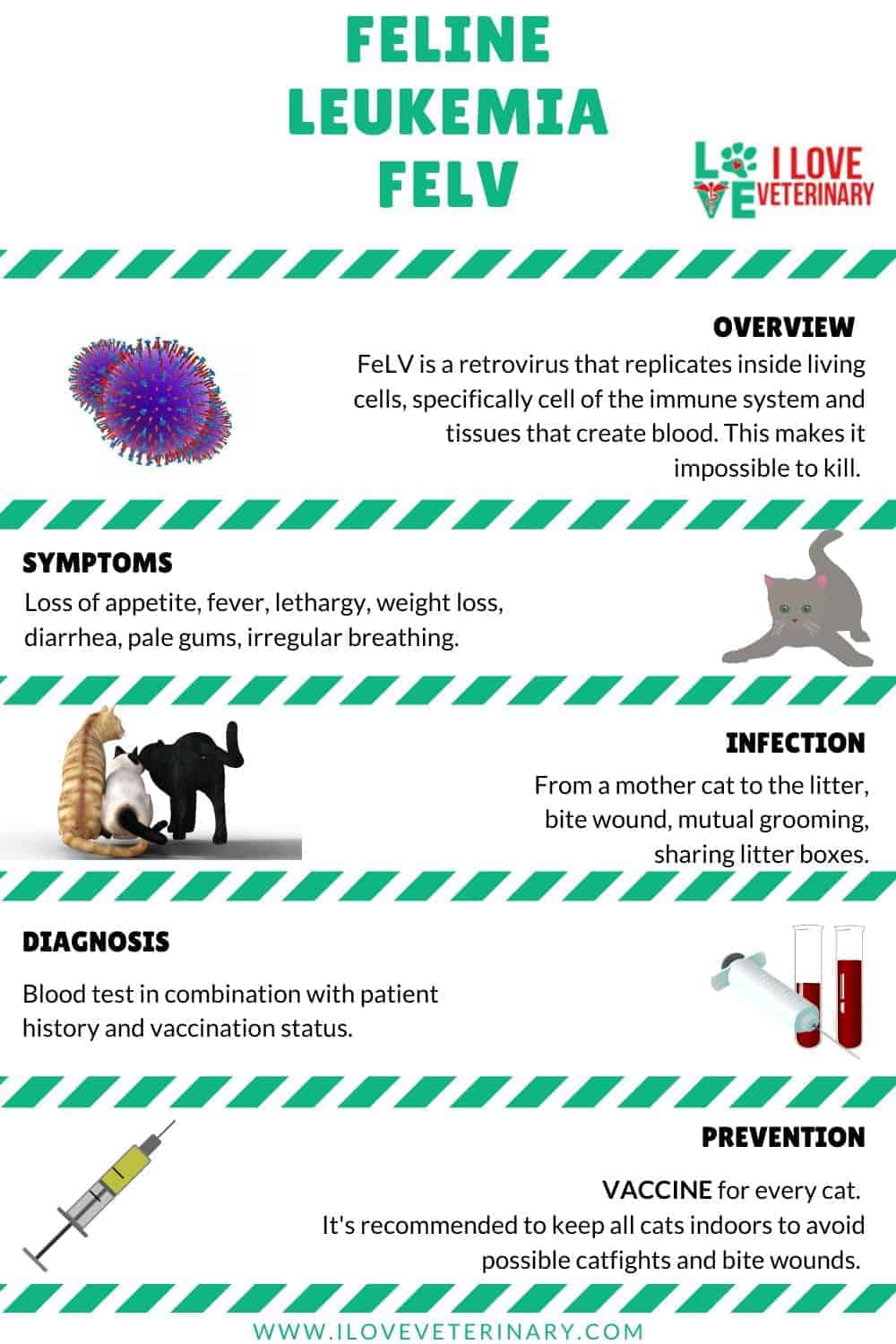
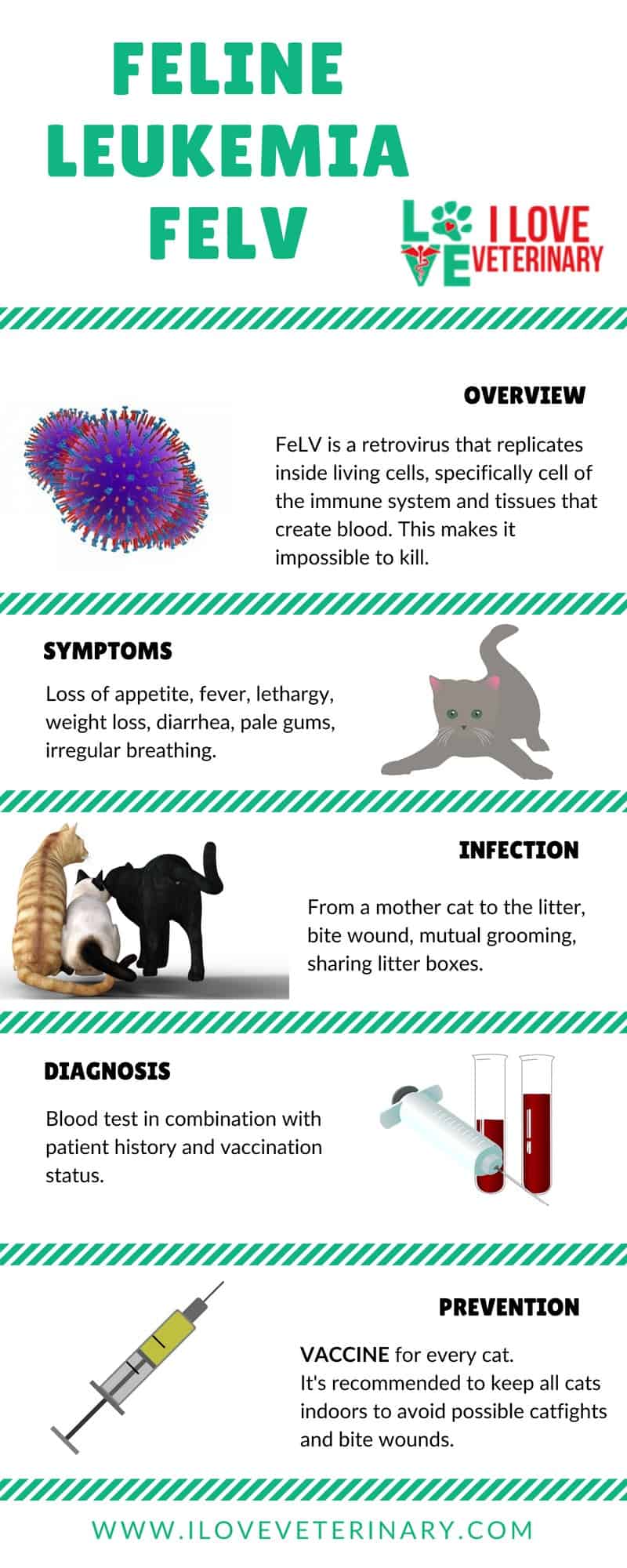
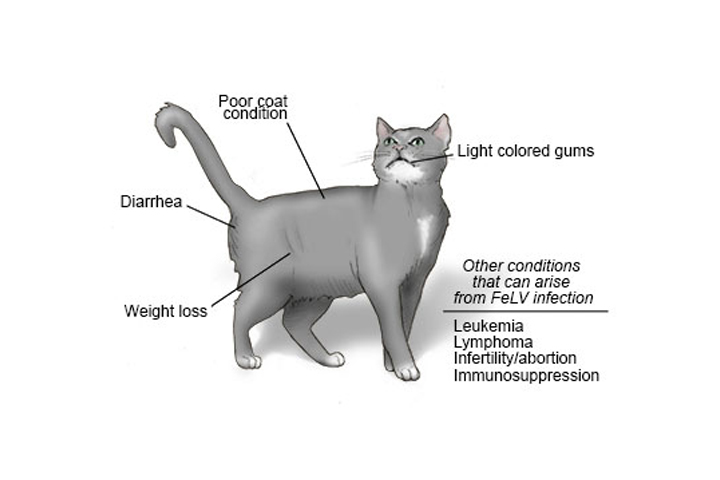
FeLV(orFelineLeukemiaVirus) attacks the immune system, weakening cats' ability to fight off illnesses. It's often fatal, but can be prevented via vaccine.
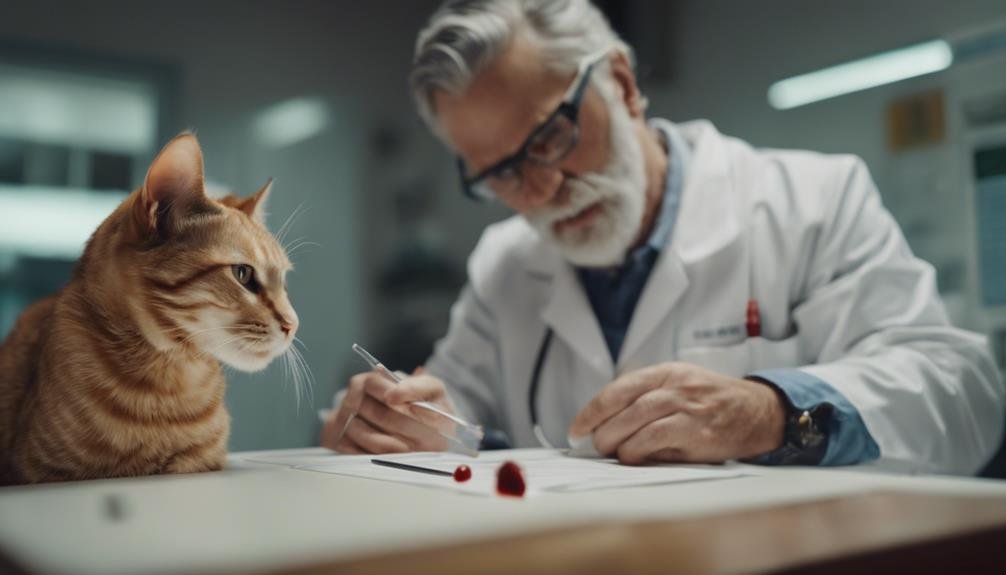
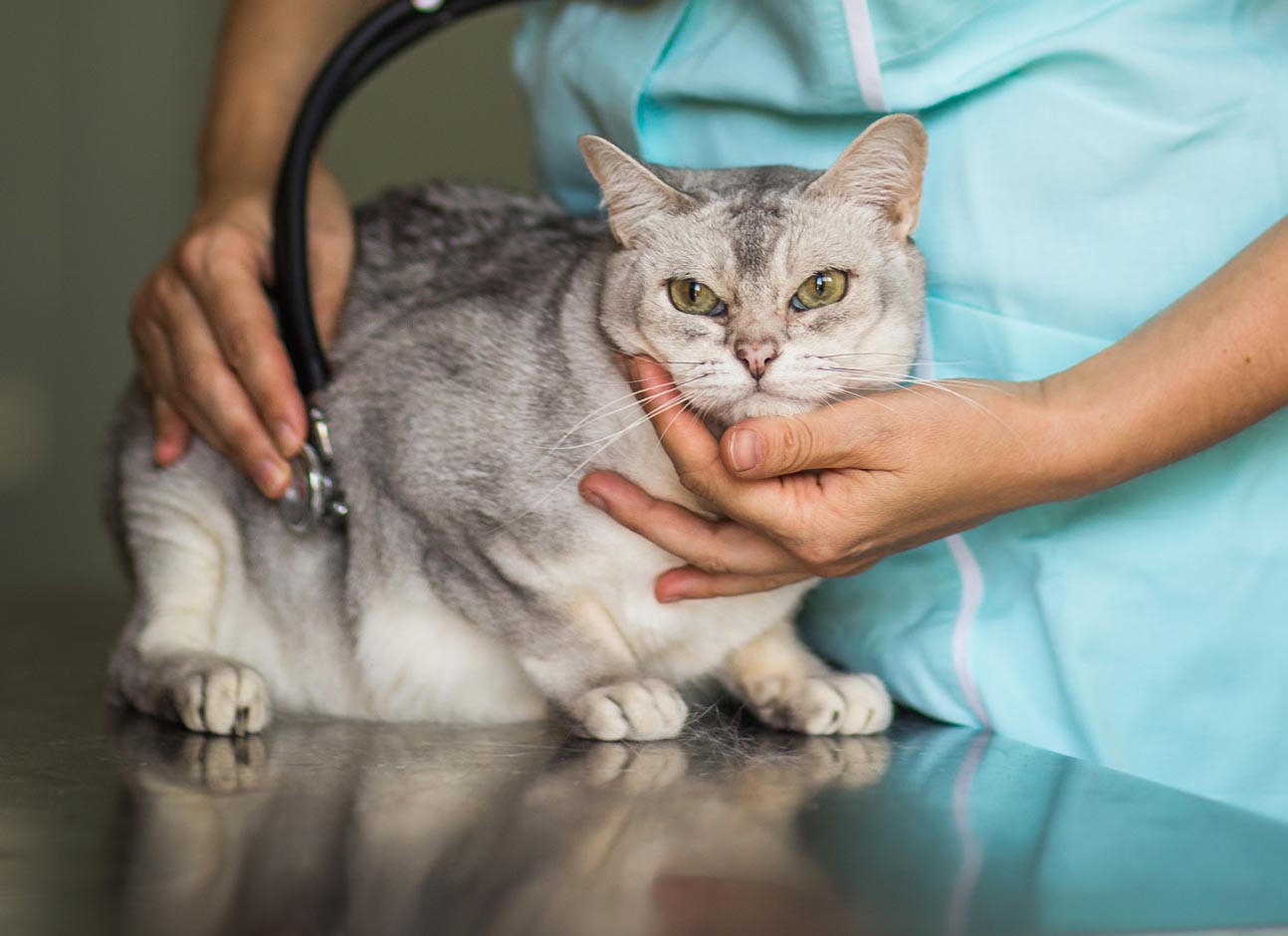
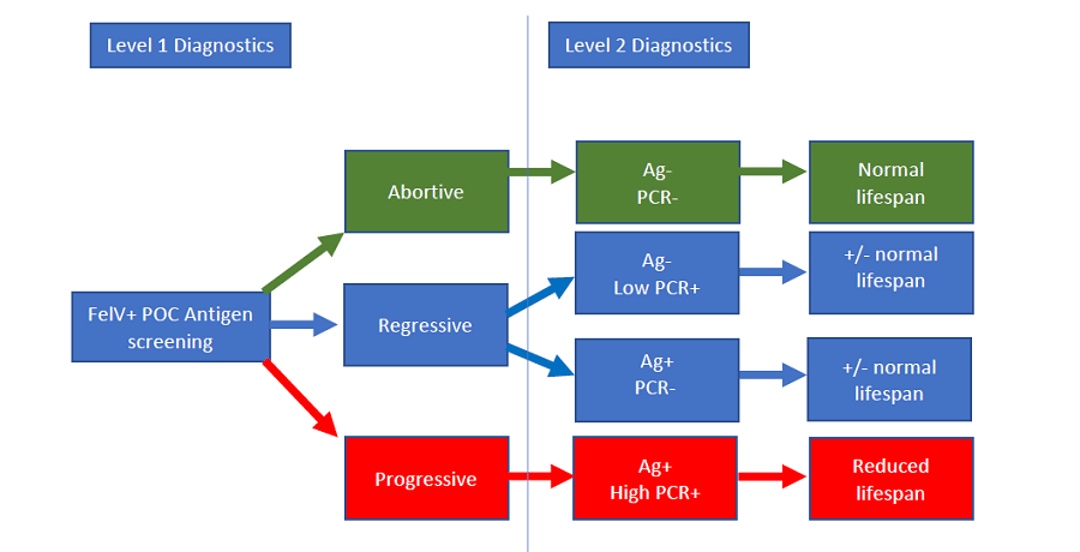
HowVeterinariansDiagnoseFelineLeukemiaVirus(FeLV).Felineleukemiais usually diagnosed by a test that requires a small amount of blood, called an ELISA test. This test is quick and routinely done inveterinaryclinics.
FeLVand FIV standforfelineleukemiavirusandfelineimmunodeficiencyvirus. Both are contagious. There's no cure, but cats can live with the infection.
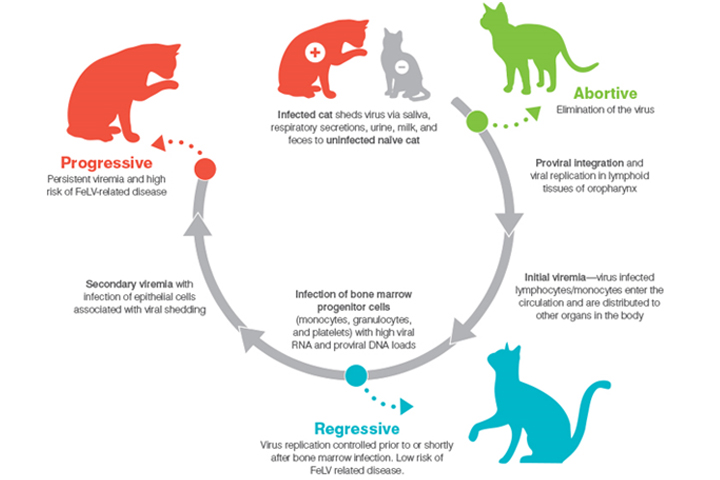
FelineLeukemia(FeLV), known as “FelineLeukemiaVirus”; It is an RNAvirusthat can replicate in many cells, such as the salivary gland, bone marrow, and respiratory tract. Once thevirusenters the body, it multiplies in the cells.
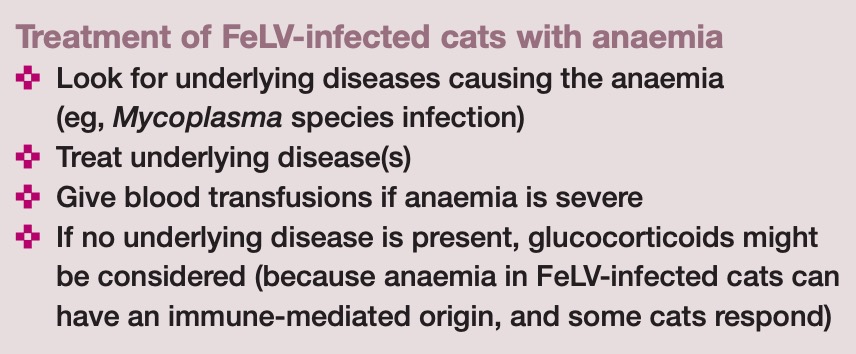
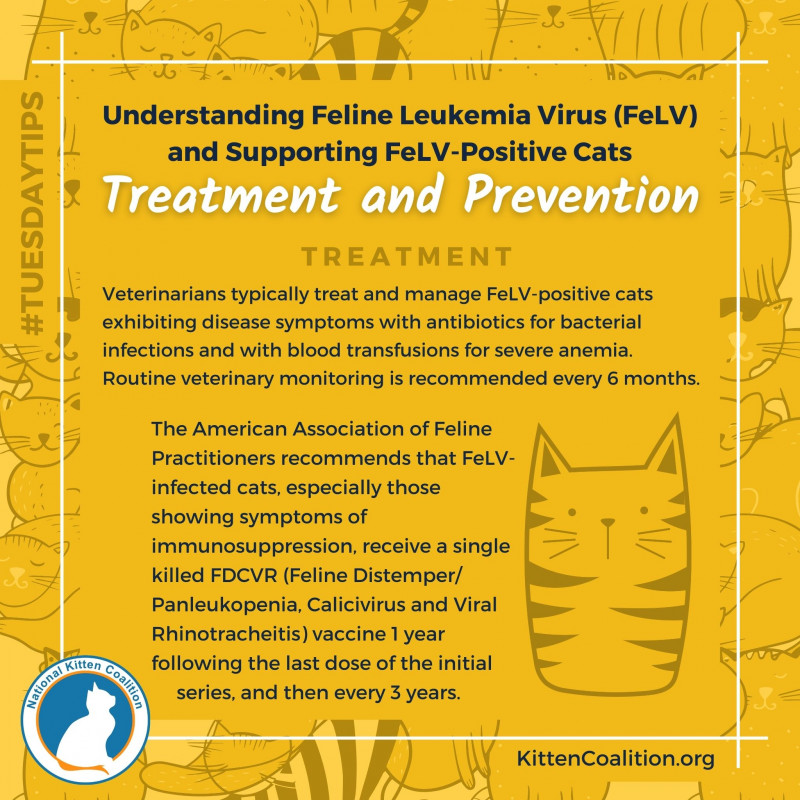
Felineleukemiaviruscan be a scary diagnosis, but it's important to have all of the facts. Here's what you need to know aboutFeLV.There aren’t targetedtreatmentsforFeLV; instead, mostveterinarycare focuses on improving wellness and fighting secondary illnesses.
Felineleukemiavirus(FeLV) is one of the most common and important infectious diseases in cats, affecting between 2-3% of all cats in the United States and Canada. Infection rates are significantly higher (up to 30%) in cats that are ill or otherwise at high risk (see below).
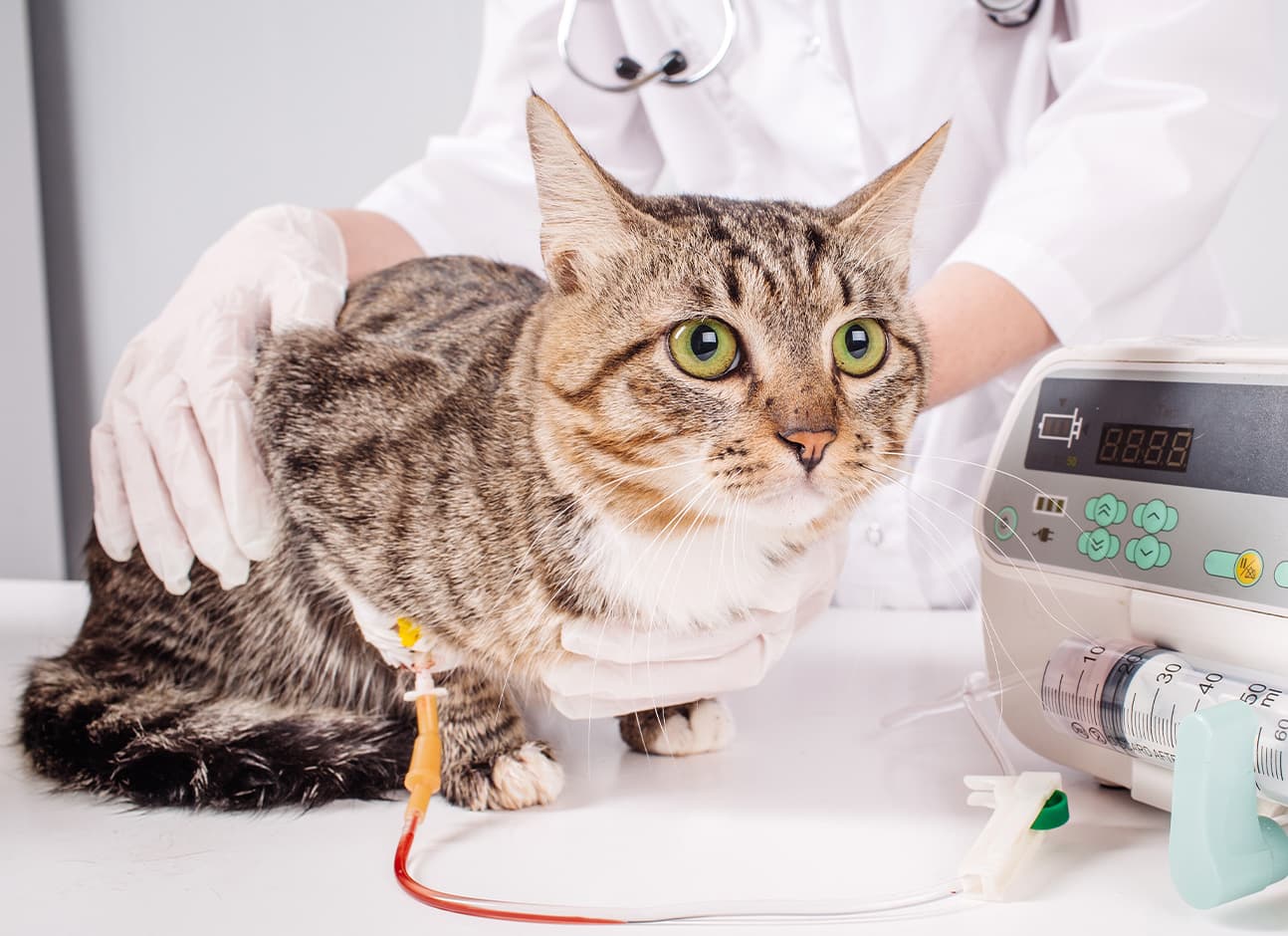
FelineLeukemiaVirusTreatment.FeLVdoesn’t have a cure. Yourveterinariancan onlytreatsecondary infections and support your cat’s body with vitamins and medications that strengthen their immune system.