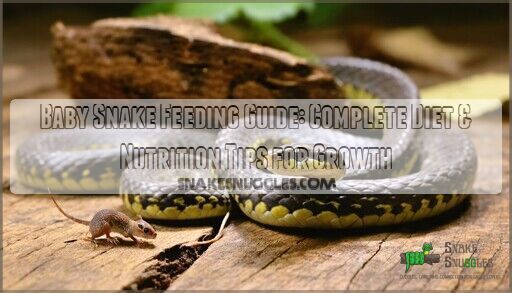
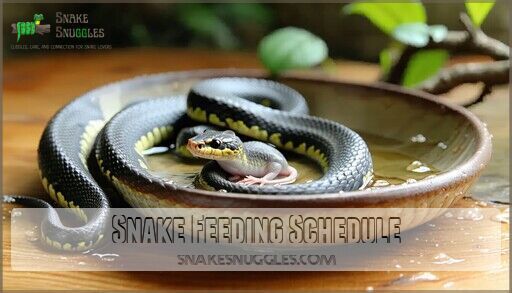
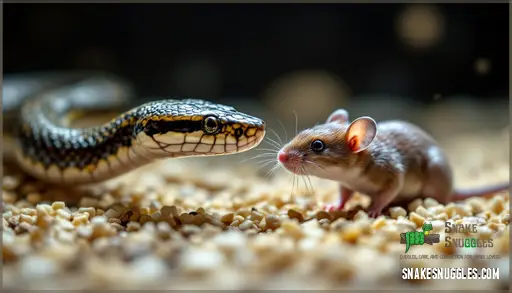
Learn what baby andjuvenilesnakesshould eat, how much prey is safe, and how often to feed for healthy growth while avoiding commonfeedingmistakes.
Juvenilesnakesaregrowingmachines, and theirfeedingschedule needs to reflect that. A baby cornsnakeor hatchling ball python is not just a small version of the adult - it is an animal whose metabolism, prey requirements, andfeedingfrequency are fundamentally different from what you will maintain once thatsnakereaches maturity.
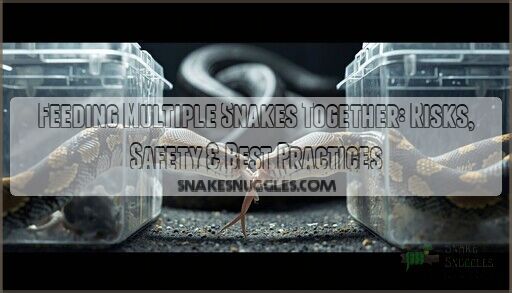
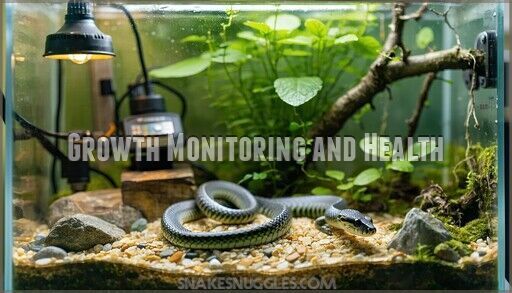
Moving forward, it's essential to keep these visual contexts in mind when discussing Juvenile Snake Feeding And Growing Habits.
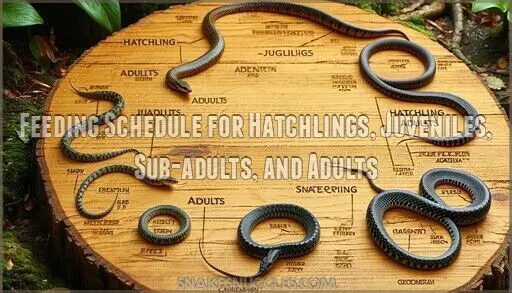
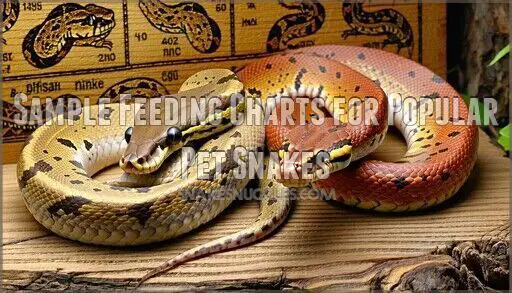
Learn a comprehensive guide tosnakefeedingschedules, tailored to different ages and species, ensuring your pets optimal nutrition and health.
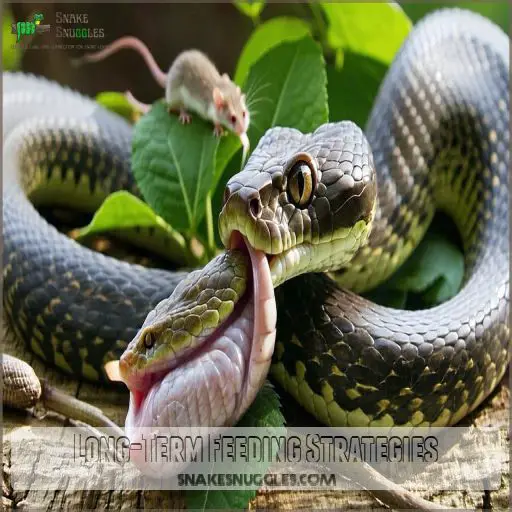
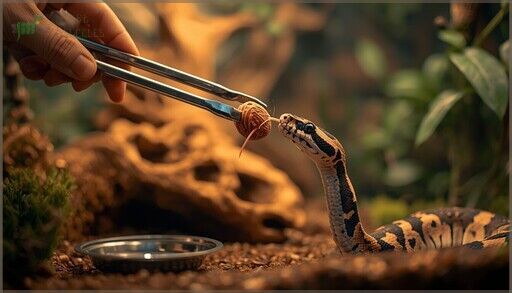
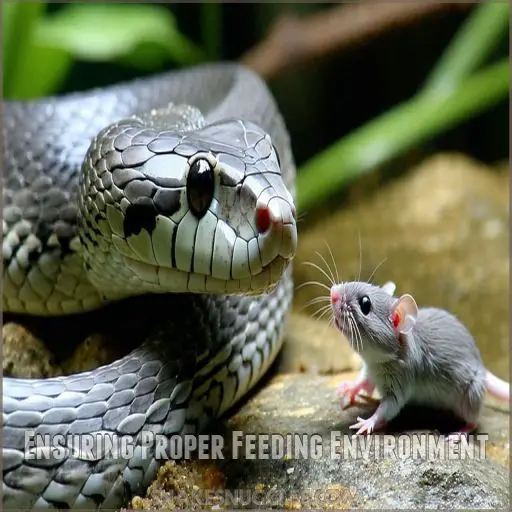
Anoles, yellow ratsnakes, frogs, and smelt, depending on naturalfeedinghabits, can be fed when homeothermic prey is not accepted. Prey size is usually proportional tosnakesize and should not be much larger in diameter than thesnake'shead.Snakesthat are routinely handled can be fed in a separate tank to decrease biting.
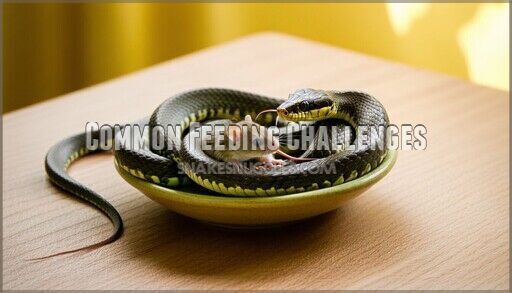
Moving forward, it's essential to keep these visual contexts in mind when discussing Juvenile Snake Feeding And Growing Habits.
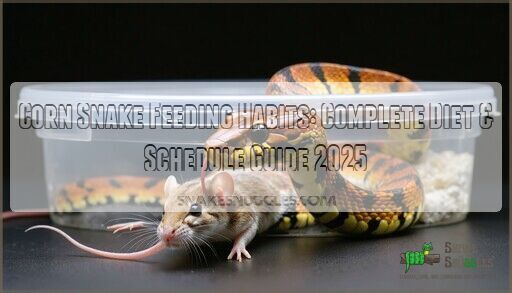
CornSnakeFeedingChart: Keep Your PetSnakeHealthy And Fit! This comprehensivefeedingchart should be able to guide you on maintaining a healthy diet for your beloved cornsnake. Cornsnakesprimarily feed on rodents because they are rich in prot- teins but, as per your vet's advice, you may feed some other food items to them occasionally.
Smaller or youngersnakesusually eat twice each week, while larger, more maturesnakestypically eat once every week or two. Femalesnakesapproaching breeding season can be fed more frequently. Your veterinarian can give you more specific advice aboutfeedingbased on yoursnake'sindividual requirements.