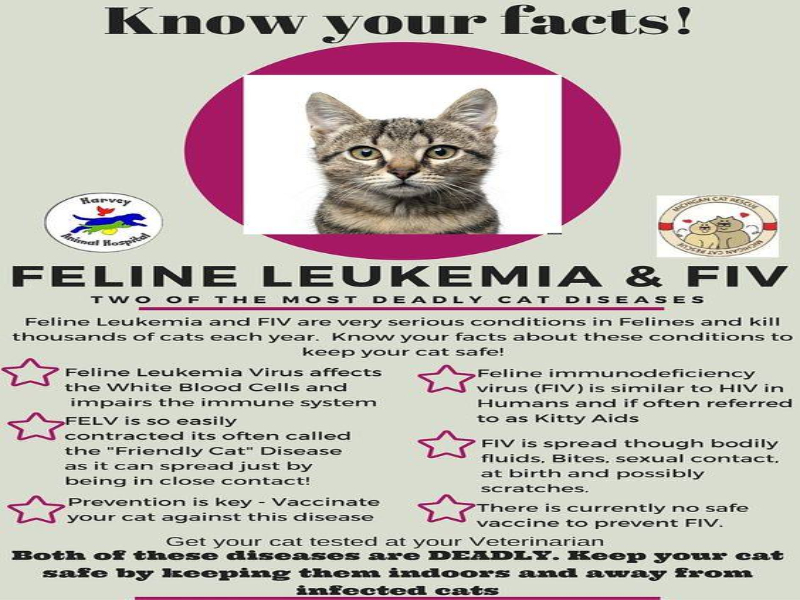
Felineleukemiavirus is a retrovirus that infects cats. FeLV can be transmitted from infected cats when the transfer of saliva or nasal secretions is involved.
Departments. CornellFelineHealthCenter.FelineVisionProblems: A Host of Possible Causes.Felineleukemiavirus (FeLV) is one of the most common and important infectious diseases in cats, affecting between 2-3% of all cats in the United States and Canada.
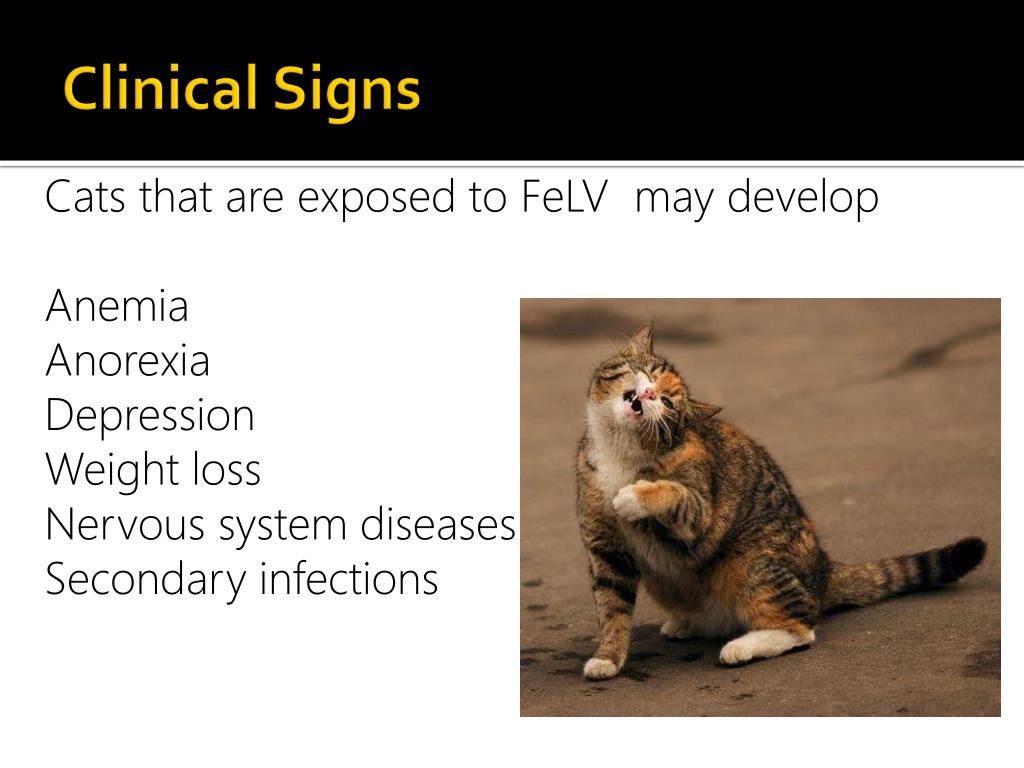
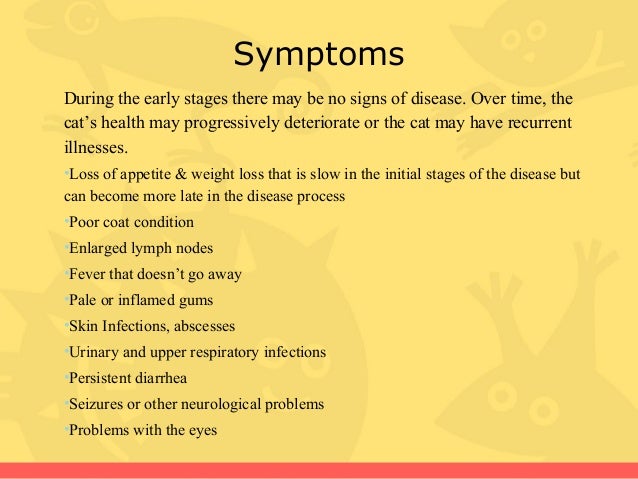
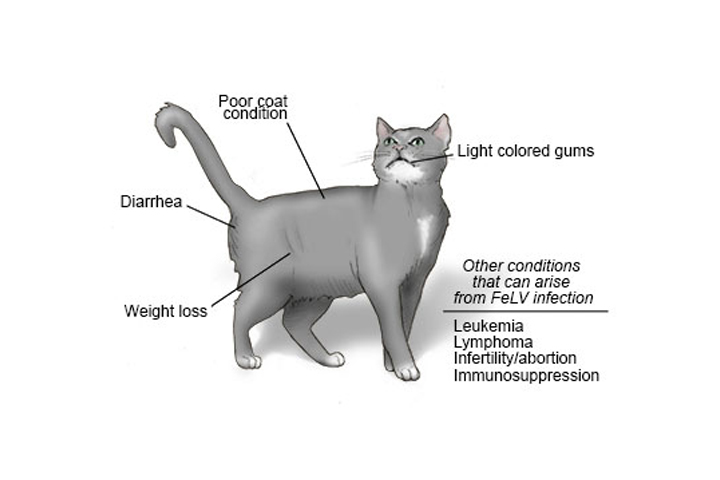
WebMD explainsfelineleukemiavirus (FeLV), including symptoms, risk factors, treatments, and prevention.Weightlossand/orlossof appetite. Poor coat condition. Progressive weakness and lethargy.

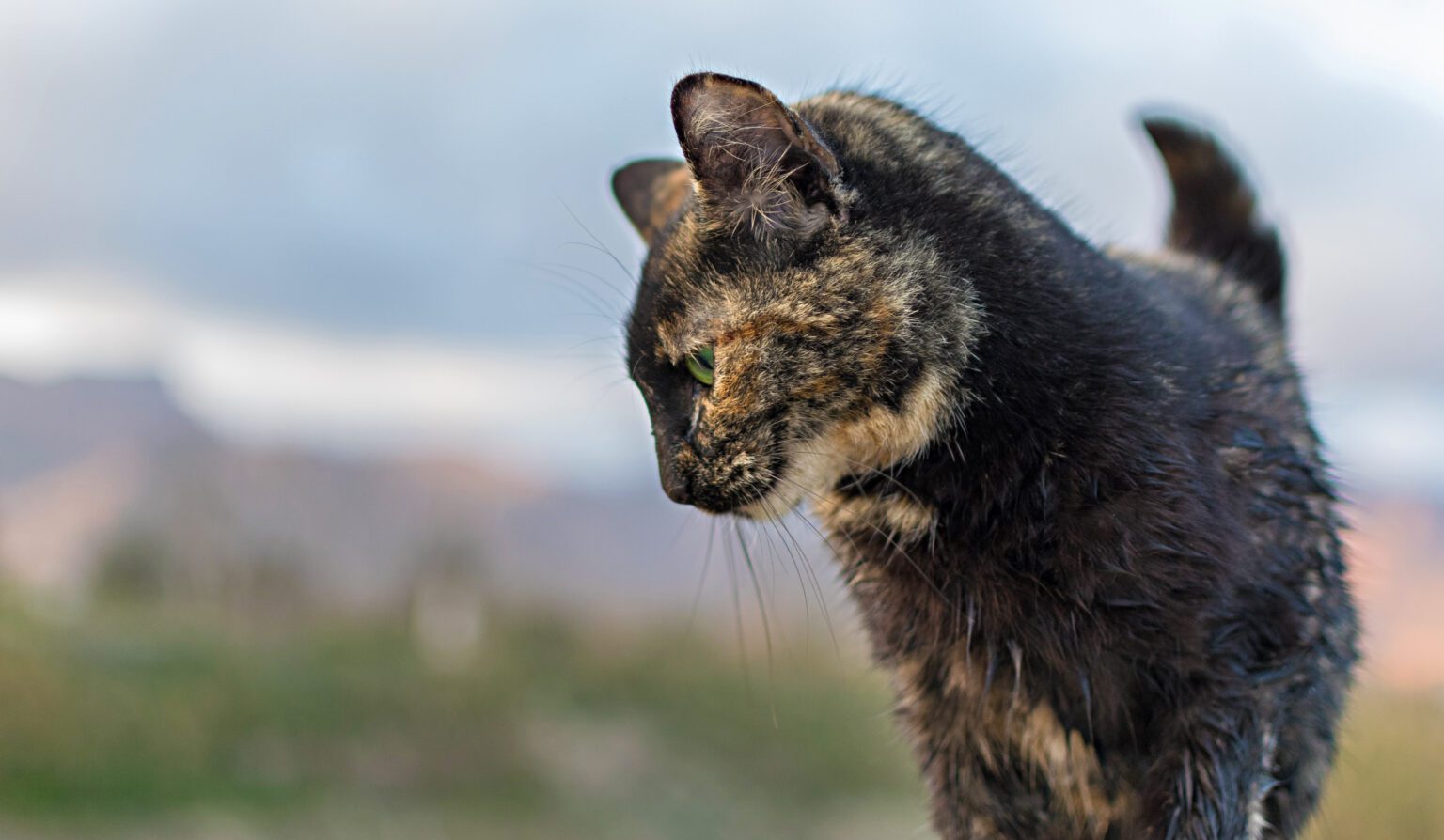
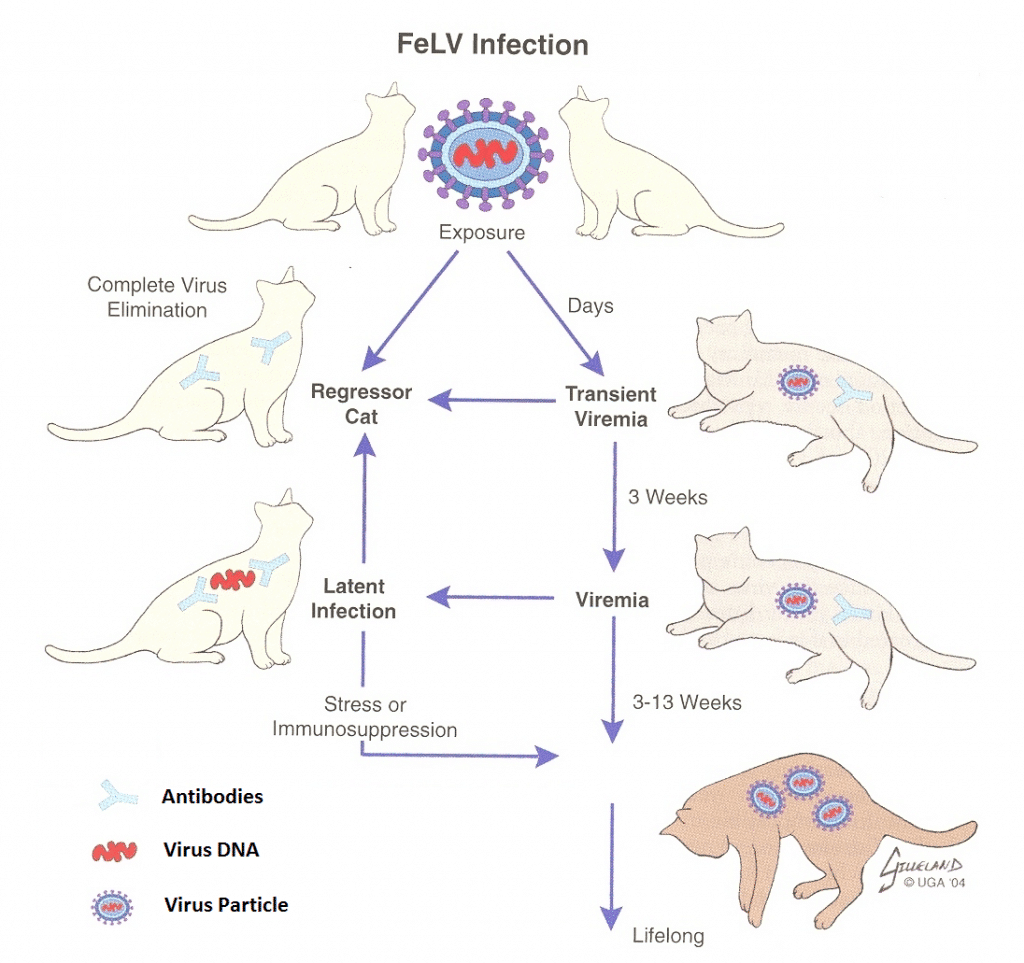
Furthermore, visual representations like the one above help us fully grasp the concept of Feline Leukemia Health Issues And Weight Loss.
Seroprevalences offelineleukemiavirus andfelineimmunodeficiency virus infection in cats in the United States and Canada and risk factors for seropositivity. J Am Vet Med Assoc 2017; 251: 187–194.
FelineLeukemiaVirus (FeLV) is a common but preventable virus that can affect almost all cats.Decreased appetite.Weightloss. Unthrifty coat (poorly groomed, dry, brittle). Inflamed gums and mouth (gingivitis and stomatitis).

Felineleukemiais sneaky. Cats may have no signs during early stages, and then over weeks, months or even years,healthmay progressively deteriorate. Or, an FeLV-positive cat may have recurrent illness interspersed with periods of relativehealth. Symptoms include:weightloss.
Alley Cat Allies is committed to providing cat owners, caregivers, veterinarians, veterinary technicians, policymakers and anyone who cares for cats with the most up-to-date facts aboutFelineLeukemiaVirus (FeLV).
Felineleukaemiavirus (FeLV) is a viral infection affecting cats worldwide. A cat permanently infected with FeLV is highly likely to develop disease related to the virus, which can cause suffering and death in cats.Weightloss. Persistent or recurrent breathing, skin, and intestinalproblems.